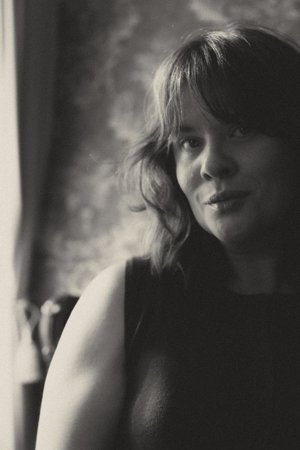
Good measure, pressed down, and shaken together, and running over
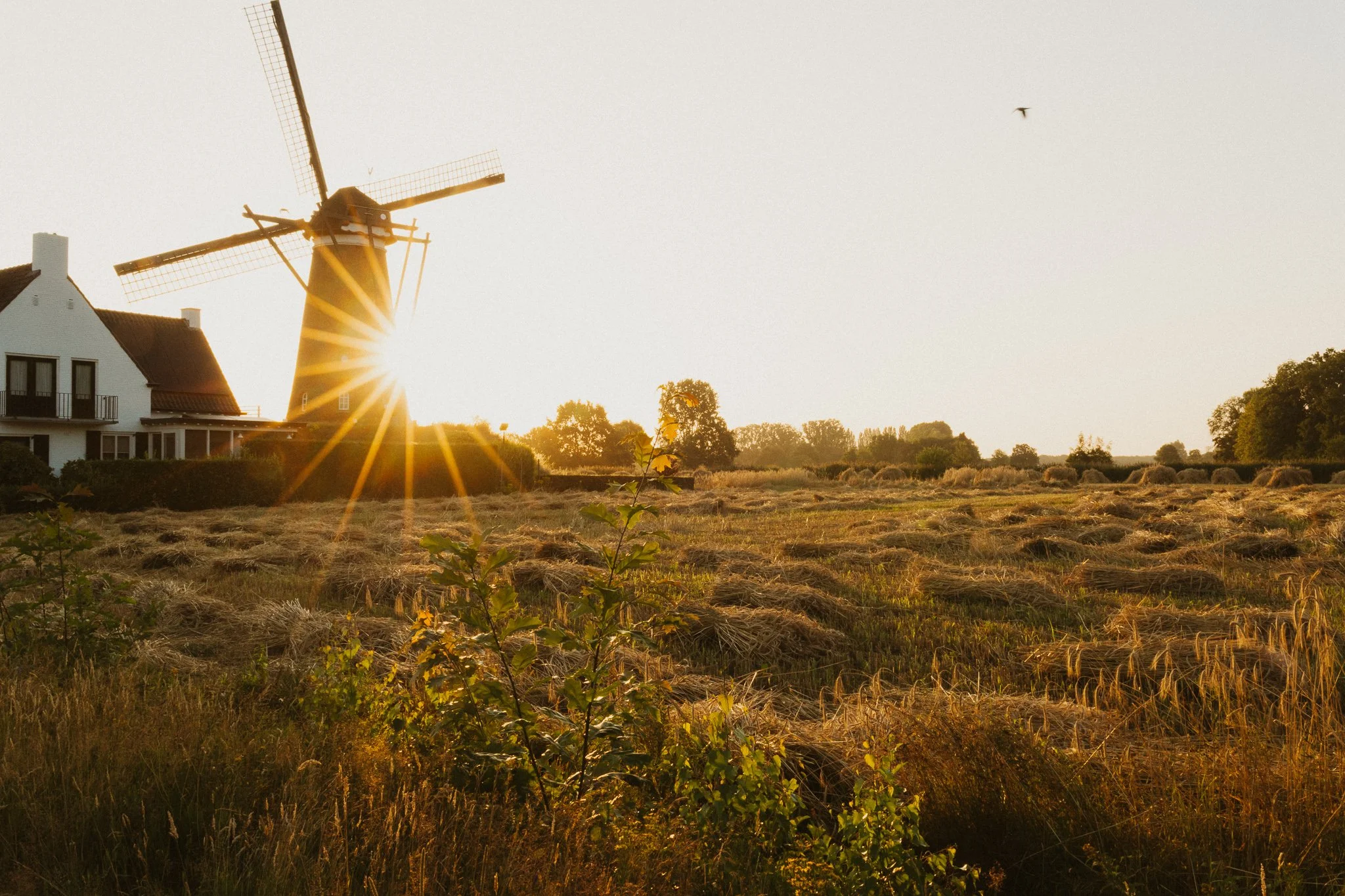
The alarm sounded at 6 am. Soul weary with my eyes still full of sleep, I slipped my feet over the side of the too tall bed and placed them carefully on the ground. Both soles planted, a pause to check for a wobble, and then good to go. One must always check one’s morning equilibrium, if one lives with POTs. Then I grabbed on simplest clothes I could find, aware that both ankles pulsed slightly with swollen mosquito bites. Mosquitos are my biggest fans.
I’d need to remember the bug spray this time, I noted.
Tom came in to say good morning. Tom, blessed with the gift of early morning insomnia and a wife who loves her sleep, was already up feeding the cats, working his sourdough bread, and opening the windows and doors to let the overnight heat escape the house.
He was surprised to see me dressed until I explained that this was a morning not to miss. The rye field around the Roosdonck windmill was cut the day before, and I knew the best light would lay across that field like a flood. If only I could get out of bed on time, of course.
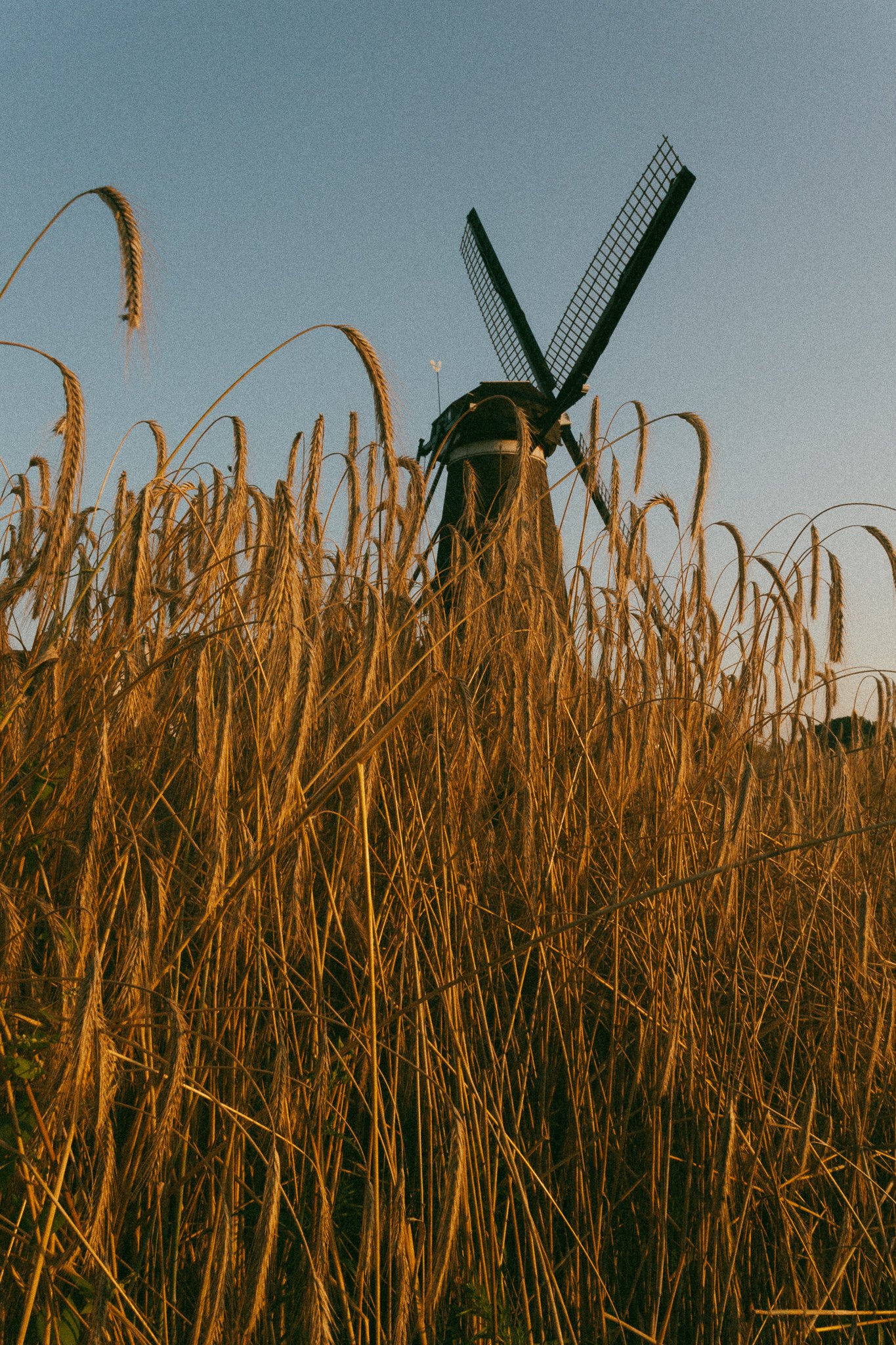
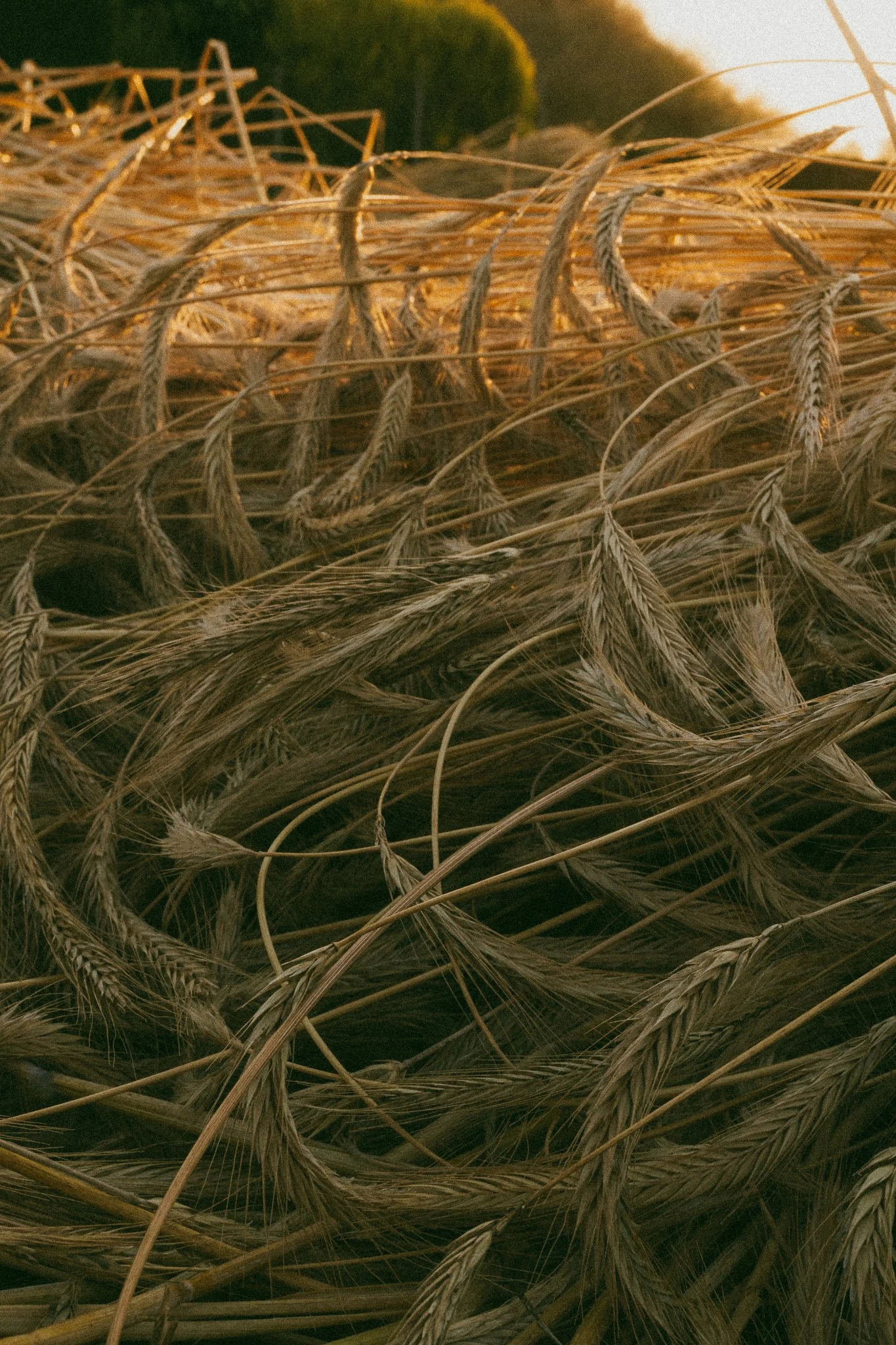
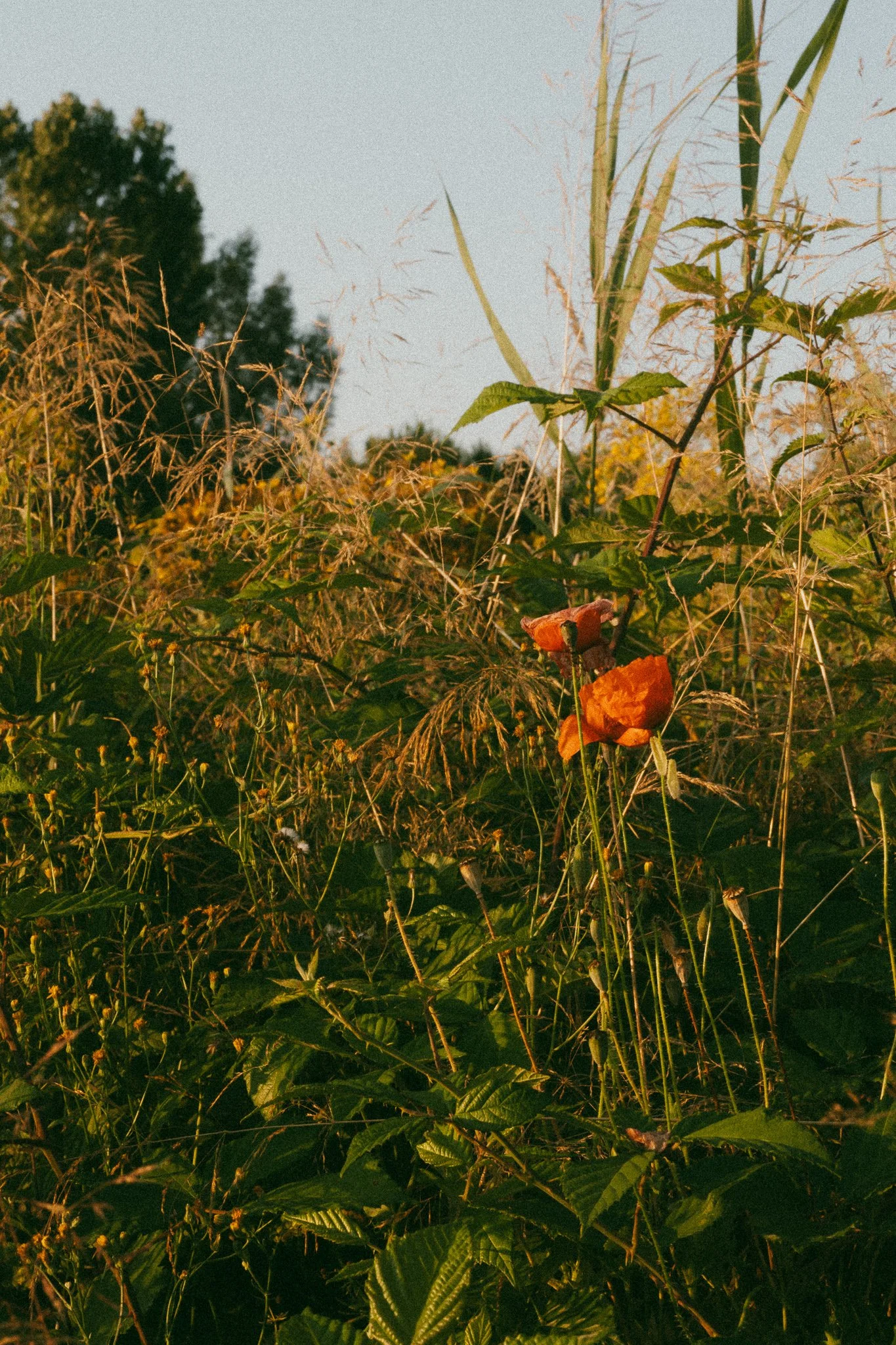
I decided to walk. Walking more often was a health resolution for me, and this would be a great morning to walk in. Still, as I traced my route along the dark rhodedendron bushes before the field came into view, I couldn’t help doubting just a bit if maybe I shouldn’t have ridden my bike instead, to catch the light faster.
I shoved that thought aside and walked just a bit brisker.
Seven years in a place and you start to feel the seasons and rhythms in your body and this rye field was no different. I’ve lost count of how many times I’d either photographed or helped harvest the rye. I even drove the tractor one year.
The bowing of the swollen seed heads, the sound it makes when the wind pushes through, and the feel of the thumb along the grass itself all signal the same thing at the beginning of July. That’s the time for the harvest.
I know this. And that is why I am hurrying.
I stop and brace for the field just before I see it. I know what I’ll see.
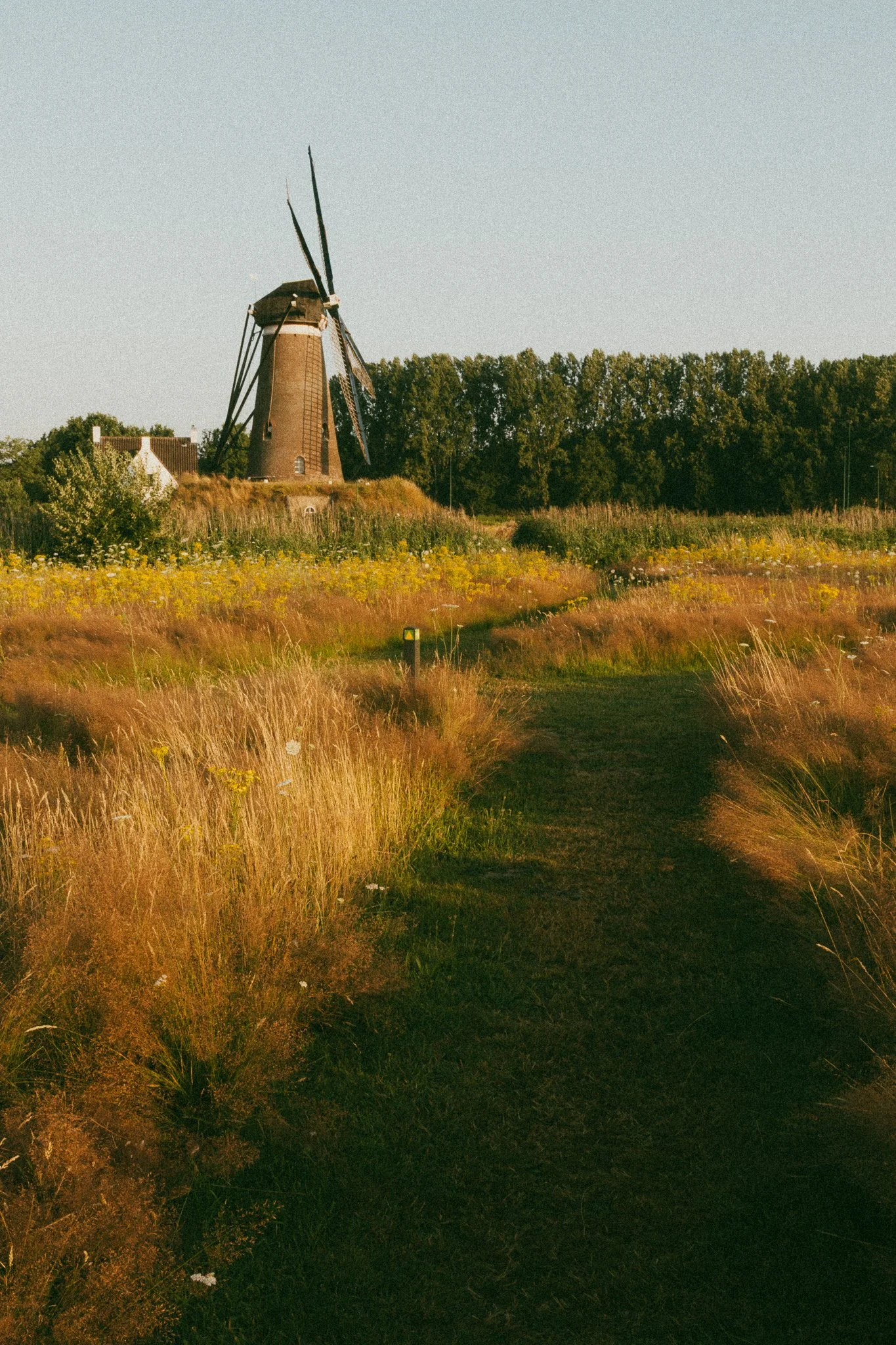
And then, I step beyond the homes and shrubs into the open, and I am swept away in gold light to swim in. The hot summer night air cradles the newborn sun just above the horizon in a hammock of haze, and the air is filled with the sounds of wings and feasting. Harvest.
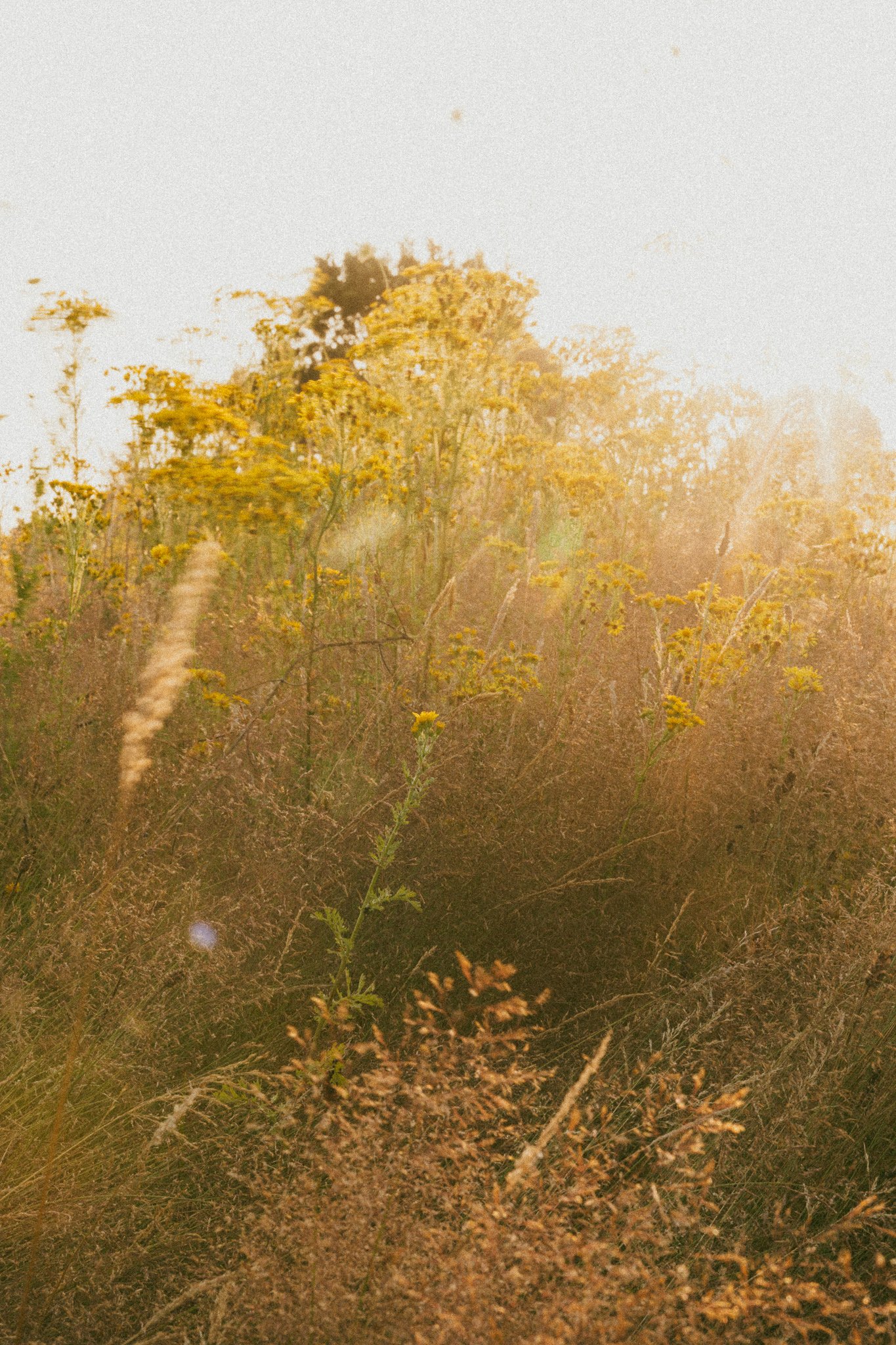
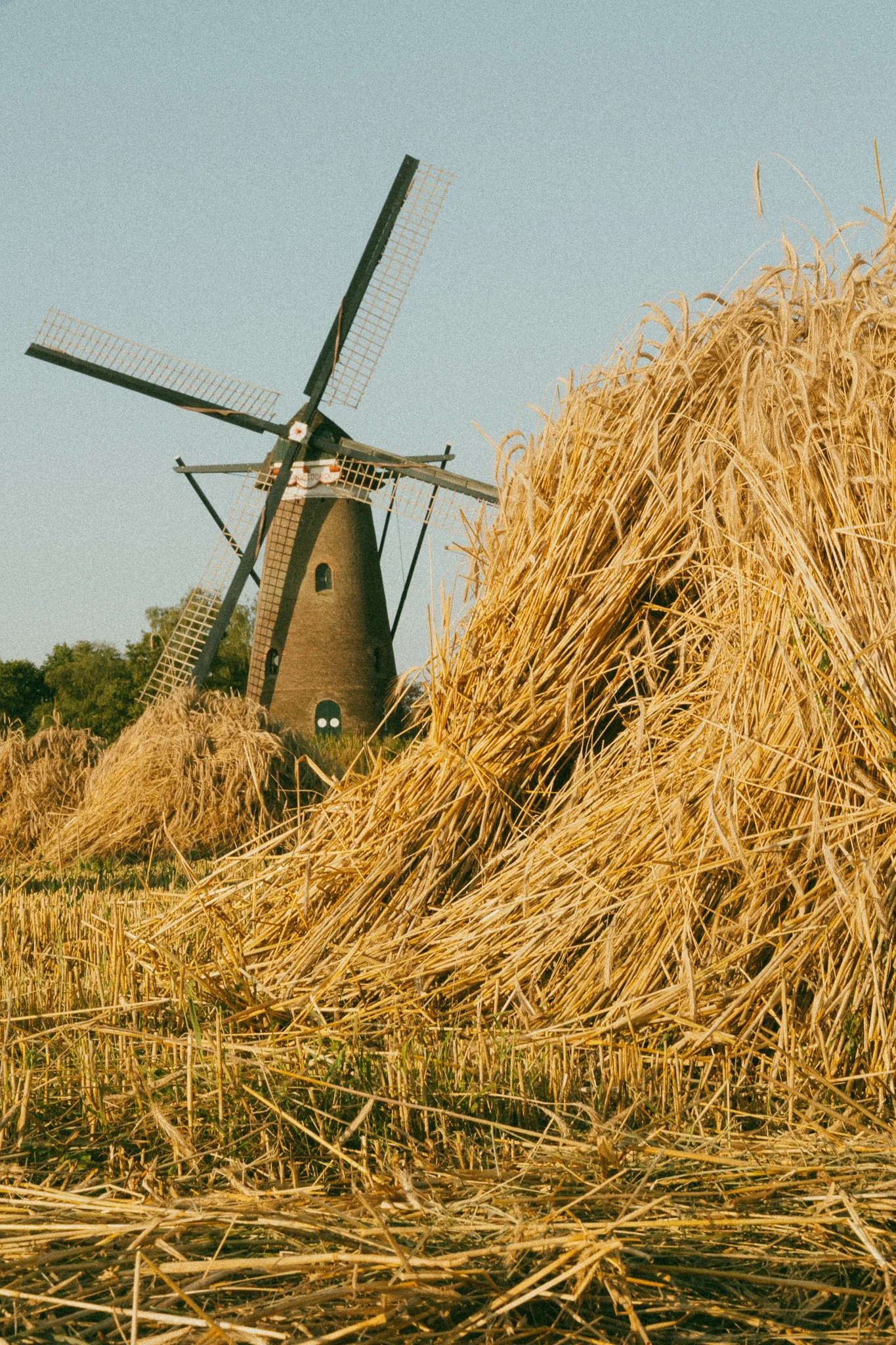
I breathe deeply with satisfaction and begin my approach. Broad first, then small, then fine and back to a whole. I gingerly walk the familiar path now littered with harvest debris because I do not want to disturb the seed heads bundled but not yet stacked into sheaves.
A flock of cargo-sized pigeons startles and tries to gain altitude quickly as I approach. Then they give in to gravity and settle once more to the spilt grain.
I am alone. That is how I will do my best work for the day, before the heat chases me back indoors.
This moment is what I am here to capture. The very edge. Rye stalks still teeming with life as they fall from the cut of the scythe, spilling some precious grains behind with that heady abundance and optimism that comes with harvest time.
Another woman once meticulously gathered grains, in another story, like I am gathering them today. It was a threshold for her, too. She and I both at the edge of the field, strangers in a strange land. She and I both invited to the harvest.
But the rough grain in this field this day is simply cut, and some sheaves are assembled into stooks. It is not gathered or stored. If I’ve learned anything, it’s this: the harvest is not over until the grain is threshed and safely stored.
I continue my loop in the field and look over to another spot near the pastured horses. This is the place, I think as I walk, that they stacked the rick of rye during lockdown. It was beautiful, an agricultural wonder built to reach heaven in a modern land. But these were unsettled times. One night, after a rowdy night on the street in front of our monument home in the village centre, fire engines hastened through the night in the direction of the windmill and the rye field.
The rick was burning. The crop was lost.
There never was an official word on the cause of the fire, but we knew. The neighbours knew. It was no accident.
And never again did they stack the rye sheaves into a rick in the field. Maybe the knowledge, dying by attrition through the generations, was truly lost after that year. Maybe they never dared again.
They may have never stacked the rye into a rick again, but they kept planting rye. Each year, each field shaped by the predominant forces of that year as if by a giant hand. And I kept gathering with each harvest.
Each time, the harvest, the well-fed birds, the happy men, the abundance spilling over, deeper and broader than the last, carried in my heart.
And I forgot the mosquito repellent.
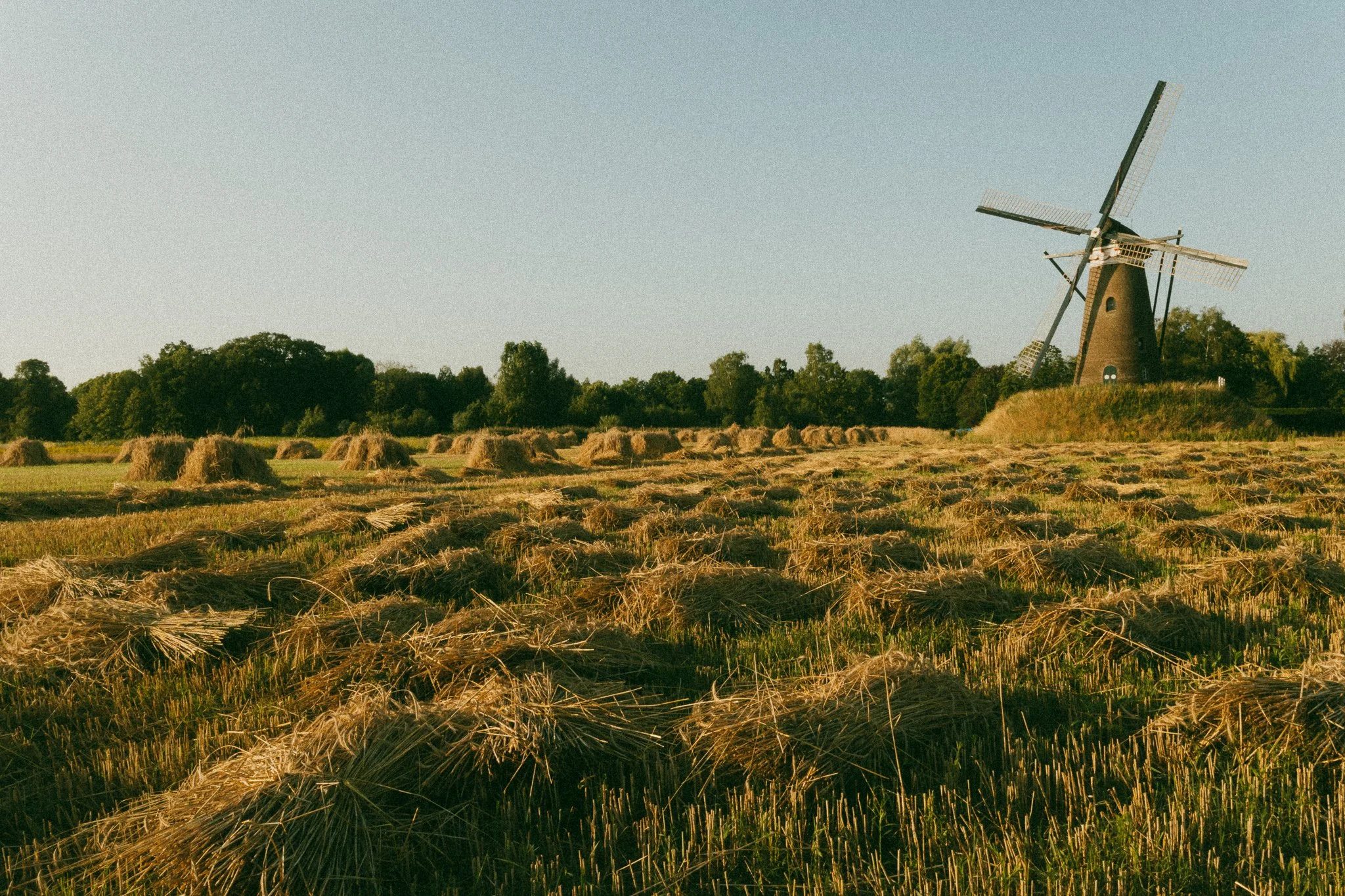
The whole field, and the rest of the harvest is here.