The Man Who Sailed on the Warmest Day
The grey coal belched from the smoke stacks into the harbour and stuck at the back of the throat but it was no match for the sun this time. The sun on April 6, 1910, flooded the harbour of New York with that exceptionally clear light where you feel like you can see for the first time ever, that quality of light that always follows a dark winter. And it was exceptionally bright and full of promise today.
Gulls filled the harbour sky with the swishing of wings and their cries mingled with the blasts of the ships entering and exiting the harbor, and the sound of hard labour. The brine salt of the sea mixed with iron and wood, and with more than a hint of fish, permeated the large harbour like it was the only thing that existed in the world and the rest was only distant memory.
And memory is exactly what was hard pressing against a small statured man standing at the rail of the Advance as it left the harbour, passing under the promise of the Statue of Liberty on its frequently coursed path to the south.
Martin stood watching the shore recede, a mixture of everything and all at once coursing through him and imprinting into his core. This moment, this departure. This man had been married 6 days and here he stood at the rail of the ship watching as the shore with his love disappeared from view. Martin was not a tall man, and could joke about it. But he was a serious self made man standing on the deck of that steam ship that morning.
The youngest son of German immigrants, he was twelve when his father died. As he grew older, he joined his three older sisters and mother working in the woolen mills. There, Martin learned machinery. It came naturally to him, how the great woolen machines worked together in the mills were pieces to a puzzle that Martin could take apart, turn, and put back together in his mind. By 1905 he’d moved from machinist to draftsman, having taught himself to draw with precision the shapes he saw in his mind. And in 1905 he was accepted into the engineering college at Yale.
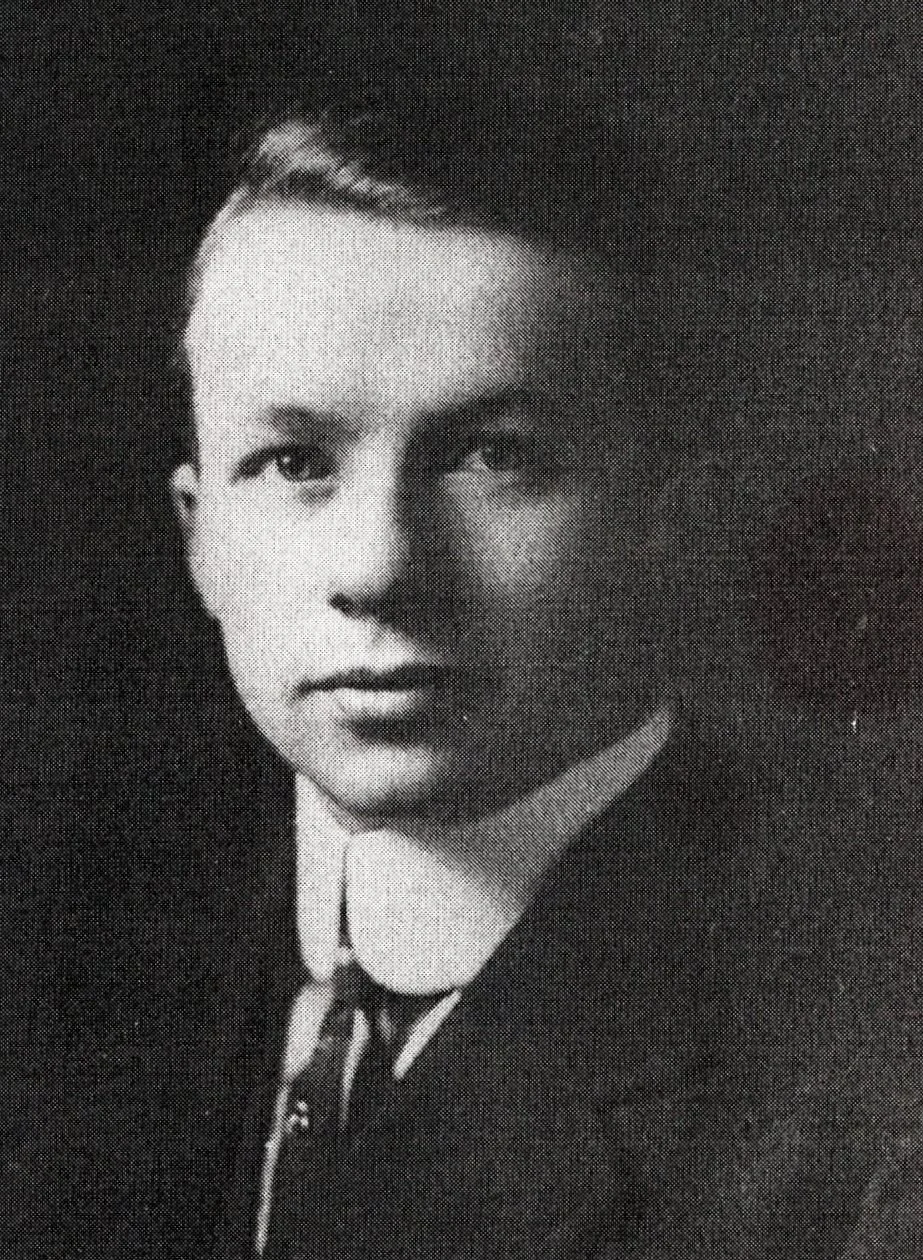
Martin continued to shoot the moon. First, he courted the beautiful doctor’s daughter, Ruth Irene Tillotson. With the height difference between the two, their friends joked he didn’t stand a chance, pun intended. But he persisted. He wrote her love letters in his mother tongue of German, letters which I have seen and handled with my own hands. Martin loved Ruth. And Ruth loved Martin.
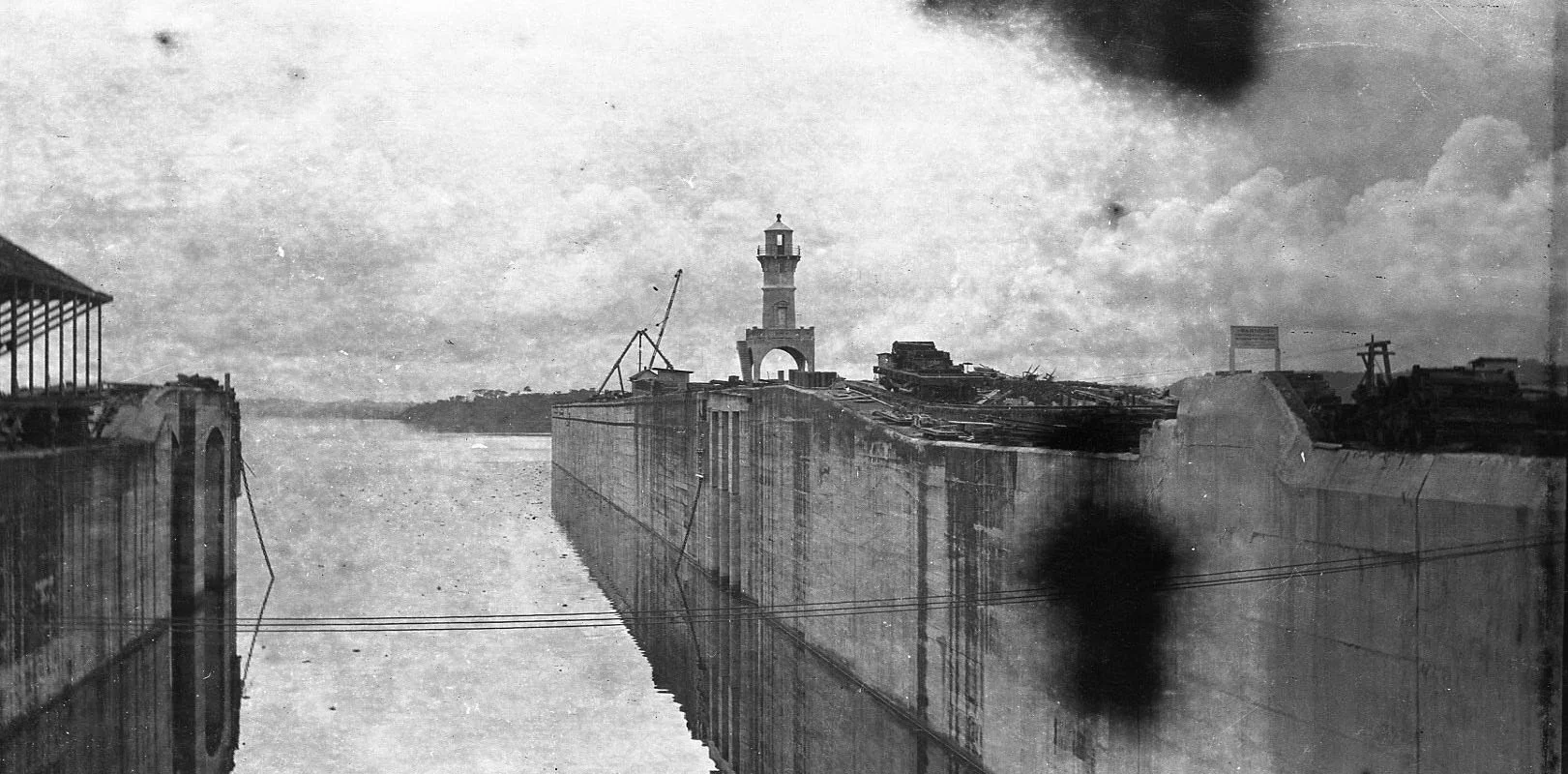
But Martin was also a man on the move. He knew exactly where he was going and why. After graduating from Yale in 1909, he posted a letter to the Isthmian Canal Commission, applying for the position of Draftsman Mechanical to draw the working components of the greatest engineering project of human history, the Panama Canal, being excavated out of human endurance and the green humid heat of the jungle.
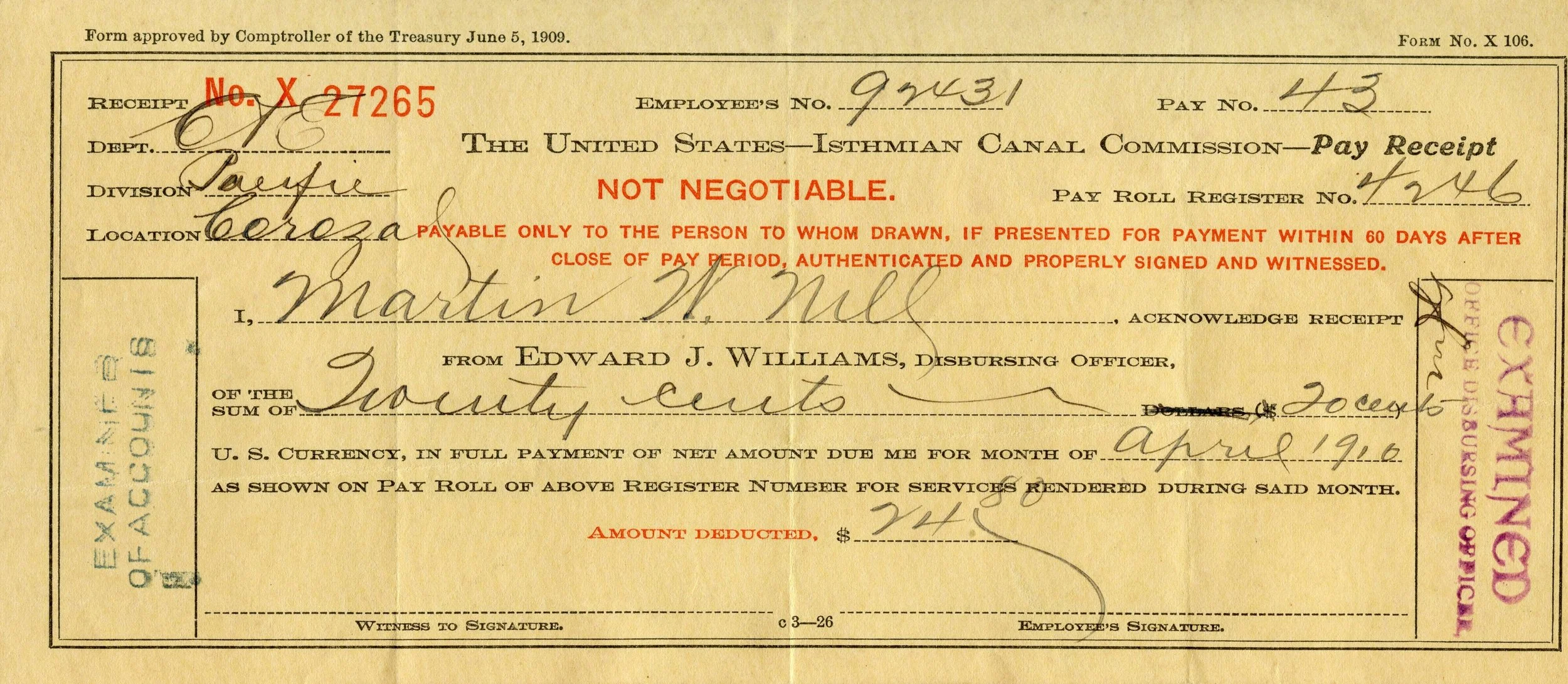
He received word from the Isthmian Canal Commission that he was provisionally employed at $150 a month. So Martin took his oath of employment 3 days before his wedding. His first paycheck would be ¢20 after deductions. He signed for it anyway. Married his bride, and boarded the Advance.
Ruth stayed at home with her parents in Connecticut. A school teacher, she waited with the census man asking questions at the door before the ink was even dry on her marriage certificate. ‘But not before Martin left for Panama,’ she thought. Her eyes drifted from the doorway out to the unseasonably warm weather where cherry blosssoms floated gently to the bround. In another time, Ruth might have loved this weather. Distracted, she did not notice when the census taker wrote down her 17 year old brother Lawrence was her husband.
Her mind and her heart was traveling a hundred miles away. So the steamer Advance from the Isthmian Canal Commission carried on. Through the narrows between Staten Island and Brooklyn, into the wider waters of the lower bay. Sandy Hook ahead, and then the wide Atlantic.
Martin, that small determined man on deck with the draftsman’s keen eye, did not know then what Panama would ask of him, or what Oregon would require.